Orthodontics
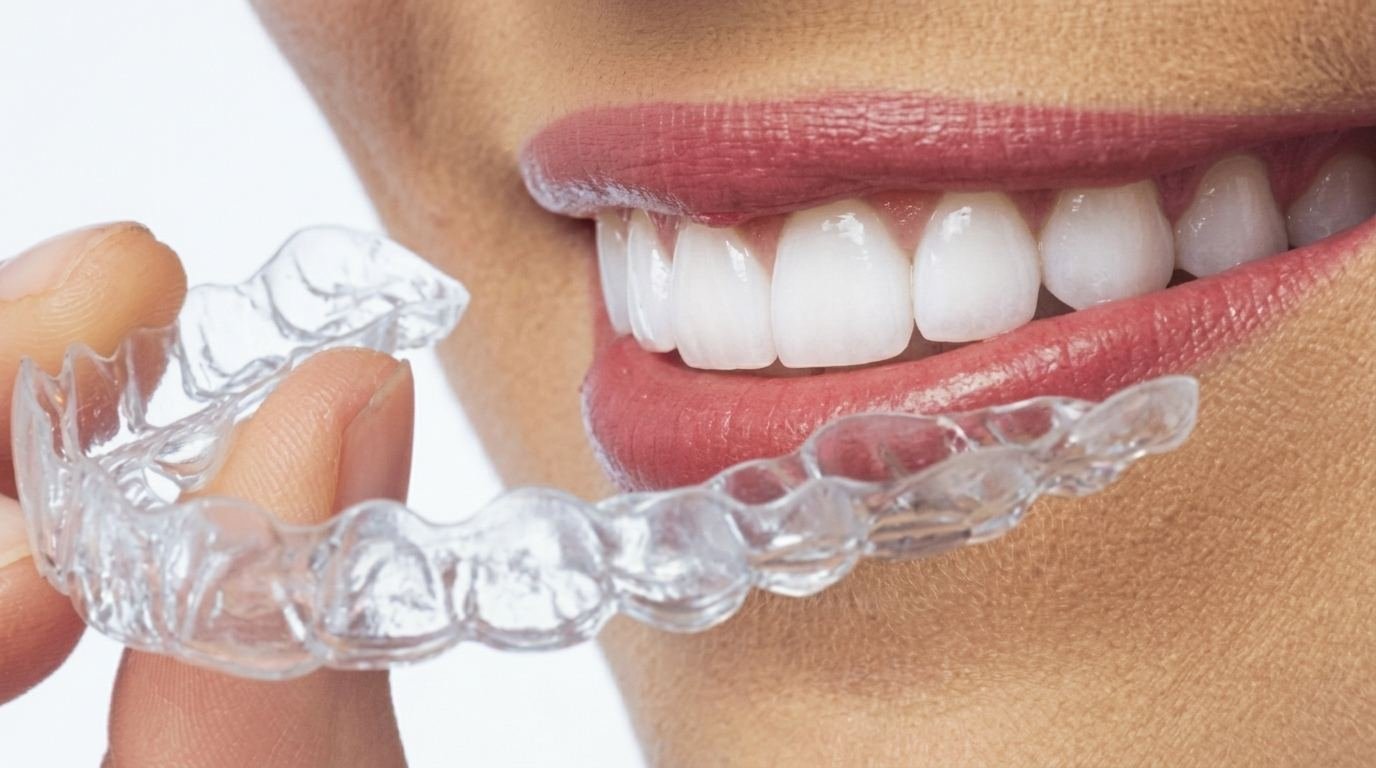
Traditional braces, mini braces or removable appliances, with follow-up from start to finish.

In chargeAlejandro Cano · Orthodontics
Duration
12 to 24 months on average
Age
From age 7 or 8, with no upper age limit
When it's done
Retainers to keep the result
Orthodontics corrects the position of your teeth and the relationship between your upper and lower jaws, using traditional braces, mini braces or removable appliances depending on the case.
Beyond appearance, a misaligned bite makes cleaning harder (more risk of cavities and plaque in hard-to-reach areas) and can cause uneven wear or jaw joint discomfort over time.
What it includes
- Study of models and X-rays to plan how the teeth will move.
- Placement of the chosen appliance.
- Regular adjustment check-ups during treatment.
- Retainers at the end to keep the result.
When does it make sense?
Crowded teeth, gaps between teeth, a crossbite or trouble cleaning certain areas because of crowding are the most common signs. Age isn’t a barrier: there are options for teenagers and adults, including less visible removable alternatives.
“The same specialist, from start to finish.”
How do you know if you need orthodontics?
Crowded or crooked teeth
One or more teeth are out of line with the rest, which makes cleaning harder and sometimes affects your bite.
Gaps between teeth
Noticeable spacing between teeth, most common between the front teeth, although it can happen anywhere.
Crossbite
When you close your mouth, one or more upper teeth sit behind the lower ones.
Open bite
The upper and lower front teeth don't fully meet.
Treatment options
Metal braces
The traditional system: the most affordable option, with the longest clinical track record. They're bonded to the visible side of the tooth.
Ceramic braces
Tooth-colored and much less visible than metal ones. They work the same way, at a higher cost because of the material.
Clear aligners
Removable trays you change periodically: you take them out to eat and brush, ideal if you don't want the treatment to show.
Self-ligating braces
No elastic ties: less friction, fewer check-ups and, in many cases, a shorter treatment.
Frequently asked questions
How long does treatment take?
Between 12 and 24 months on average, depending on the complexity of the case and the type of appliance.
At what age can you start?
Children from age 7 or 8 for an early evaluation, and there's no age limit for adults.
Are removable appliances just as effective?
For mild to moderate cases yes, as long as they're worn for the recommended time. More complex cases usually need braces.
What happens after the braces come off?
Retainers are used to keep the result: this phase is as important as the treatment itself.
Other services you may be interested in
Teeth whitening
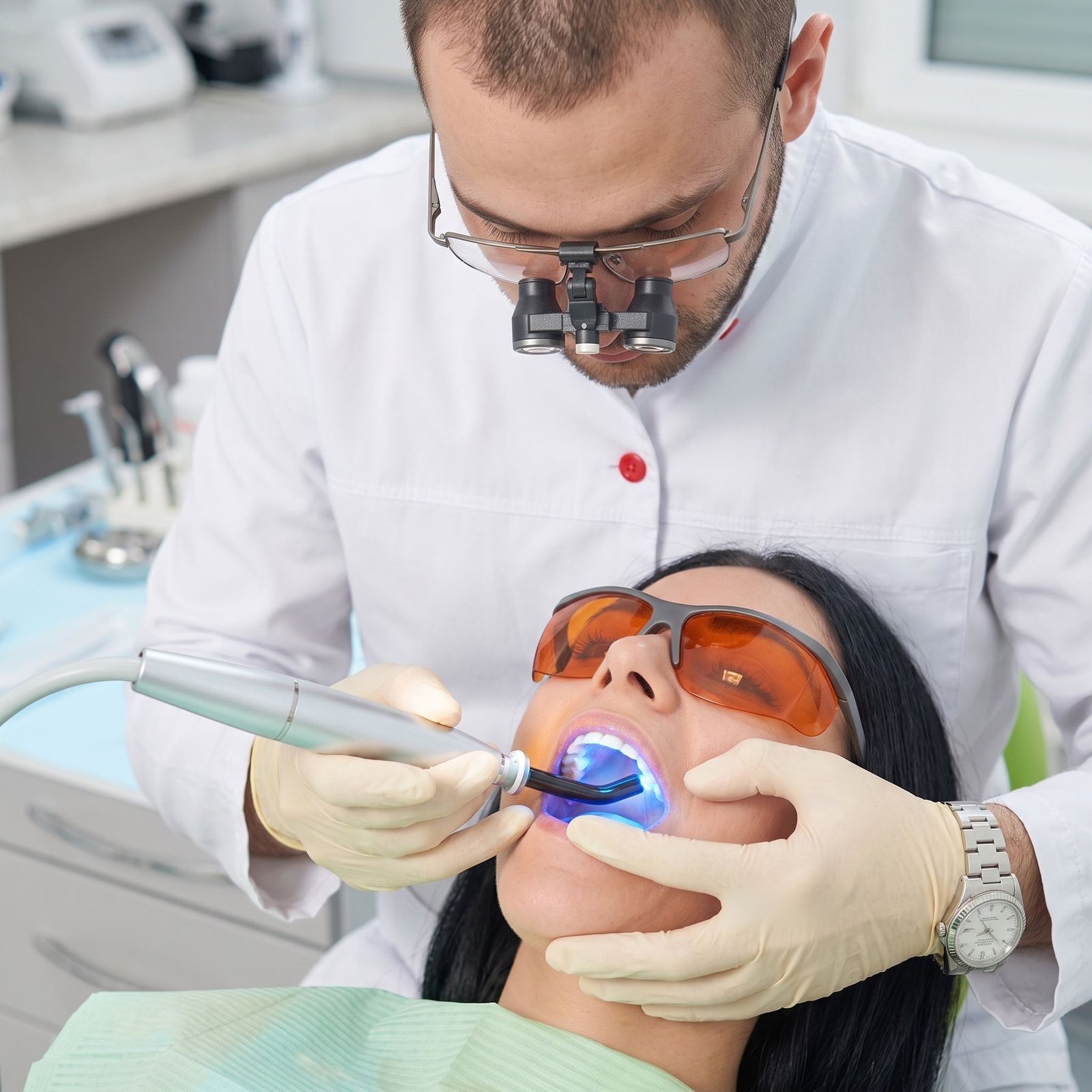
Lightens your teeth and removes built-up stains and discoloration without touching the tooth's structure.
See details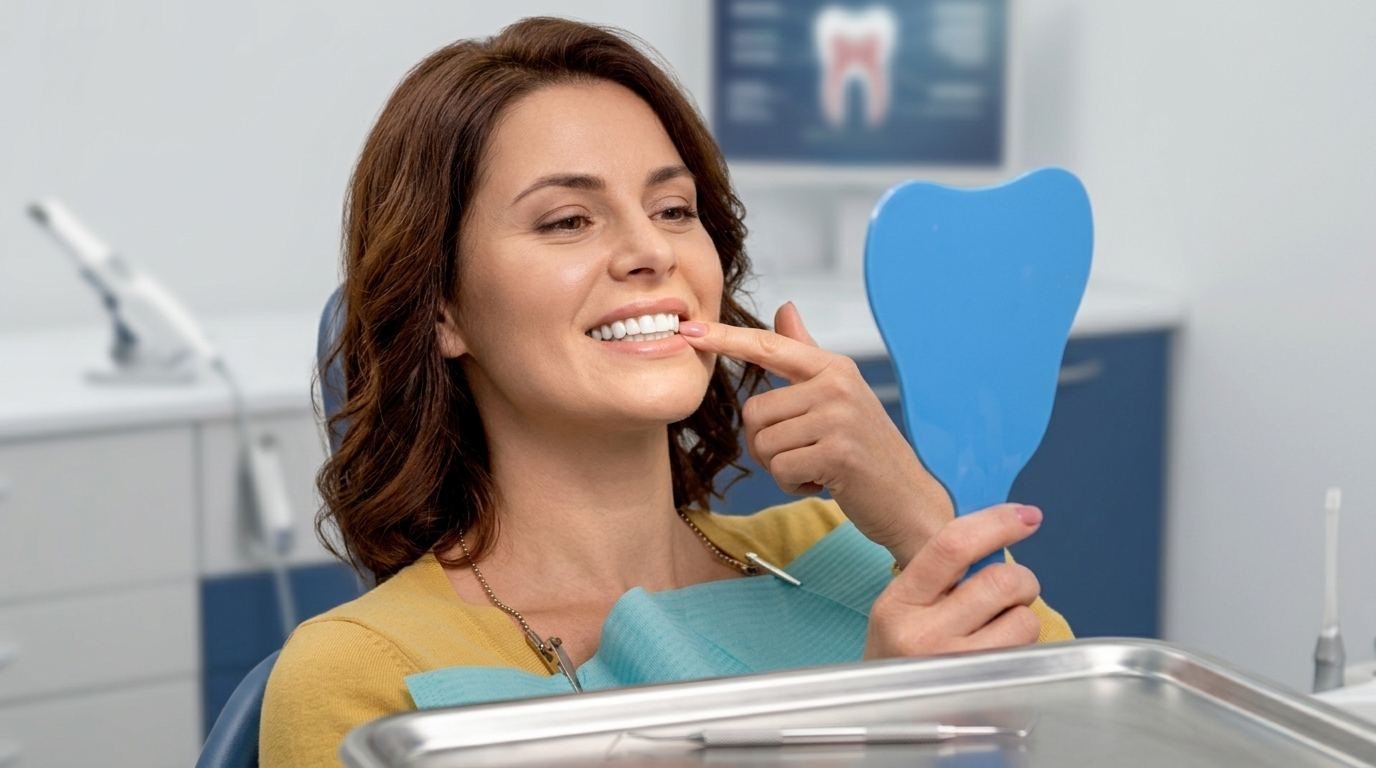
Smile design
Veneers, contouring and whitening combined for a more balanced, natural-looking smile.
See details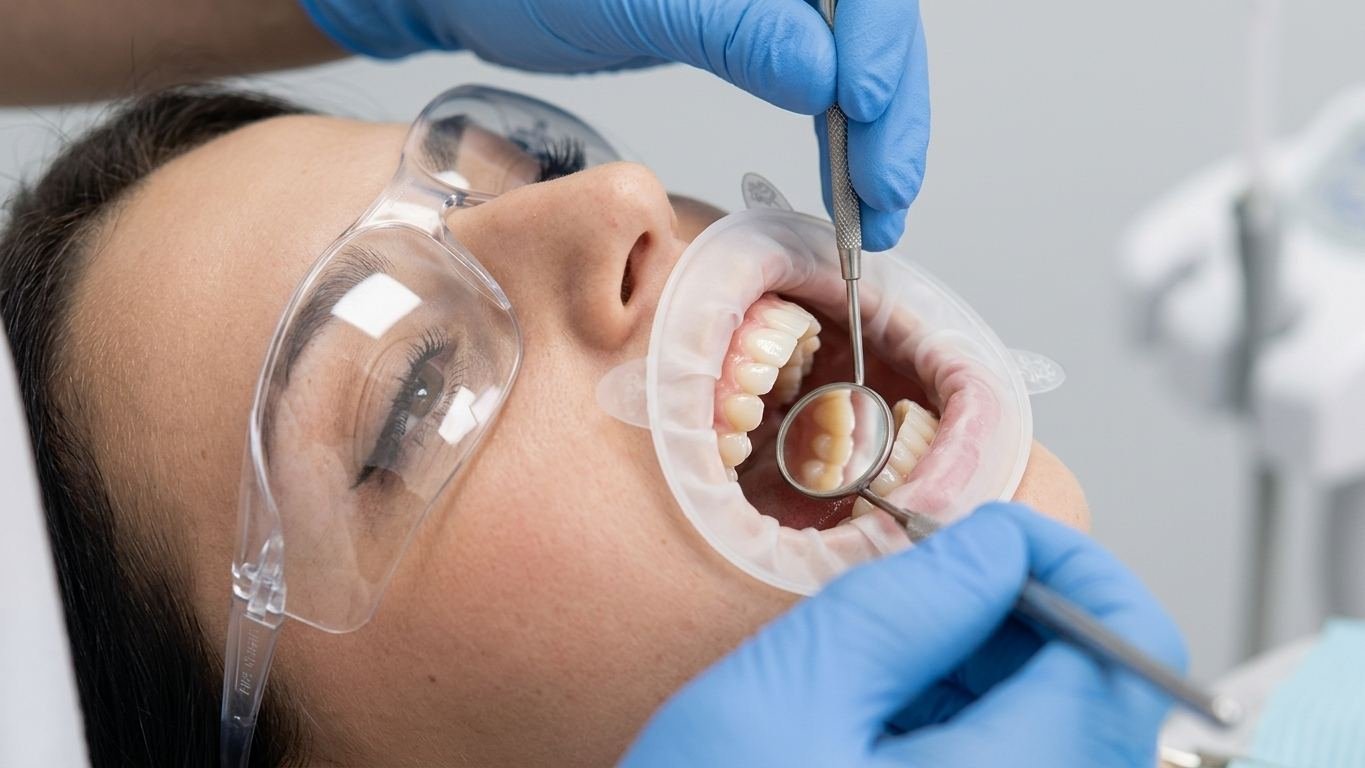
Endodontics
Root canal treatment to save the tooth instead of extracting it.
See detailsReady to book your orthodontics?
Payment plans available, plus special prices for Coomeva and Protección members.