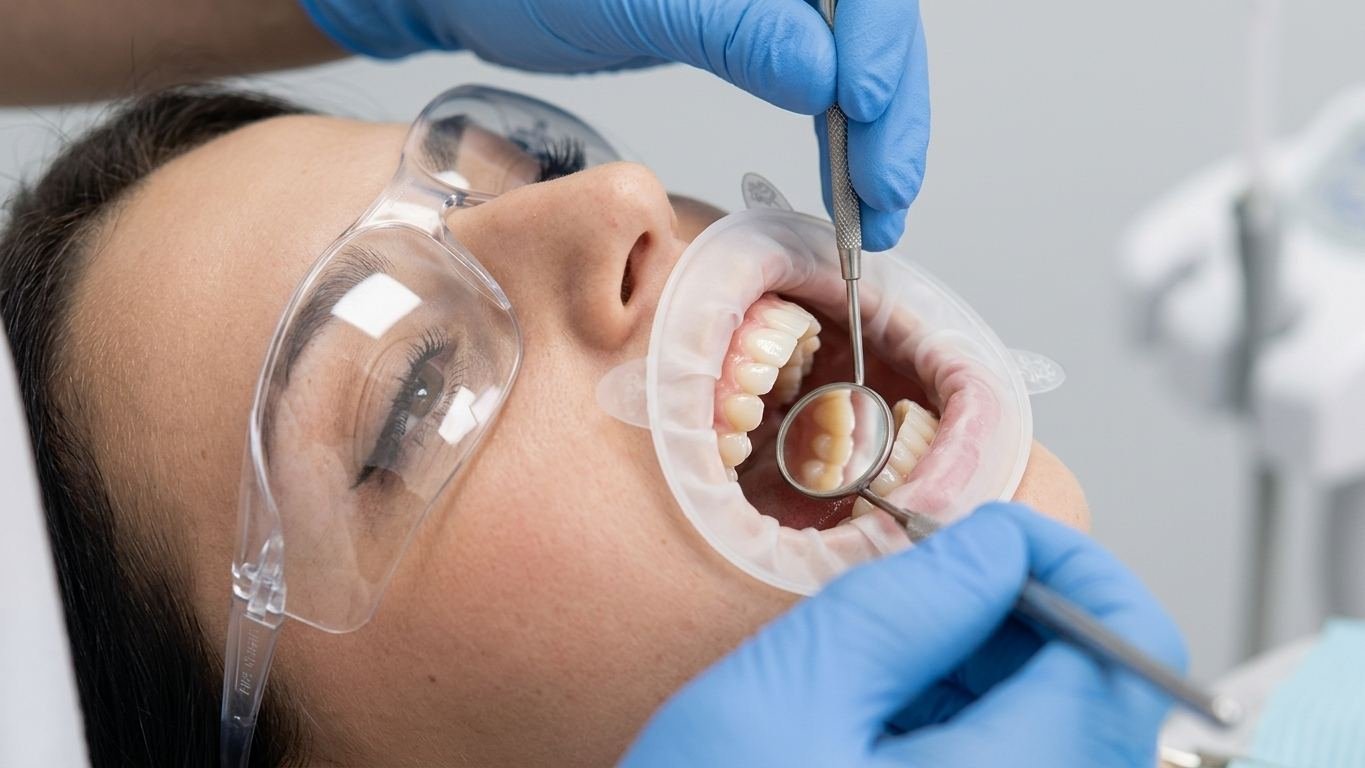
Endodontics
Root canal treatment to save the tooth instead of extracting it.
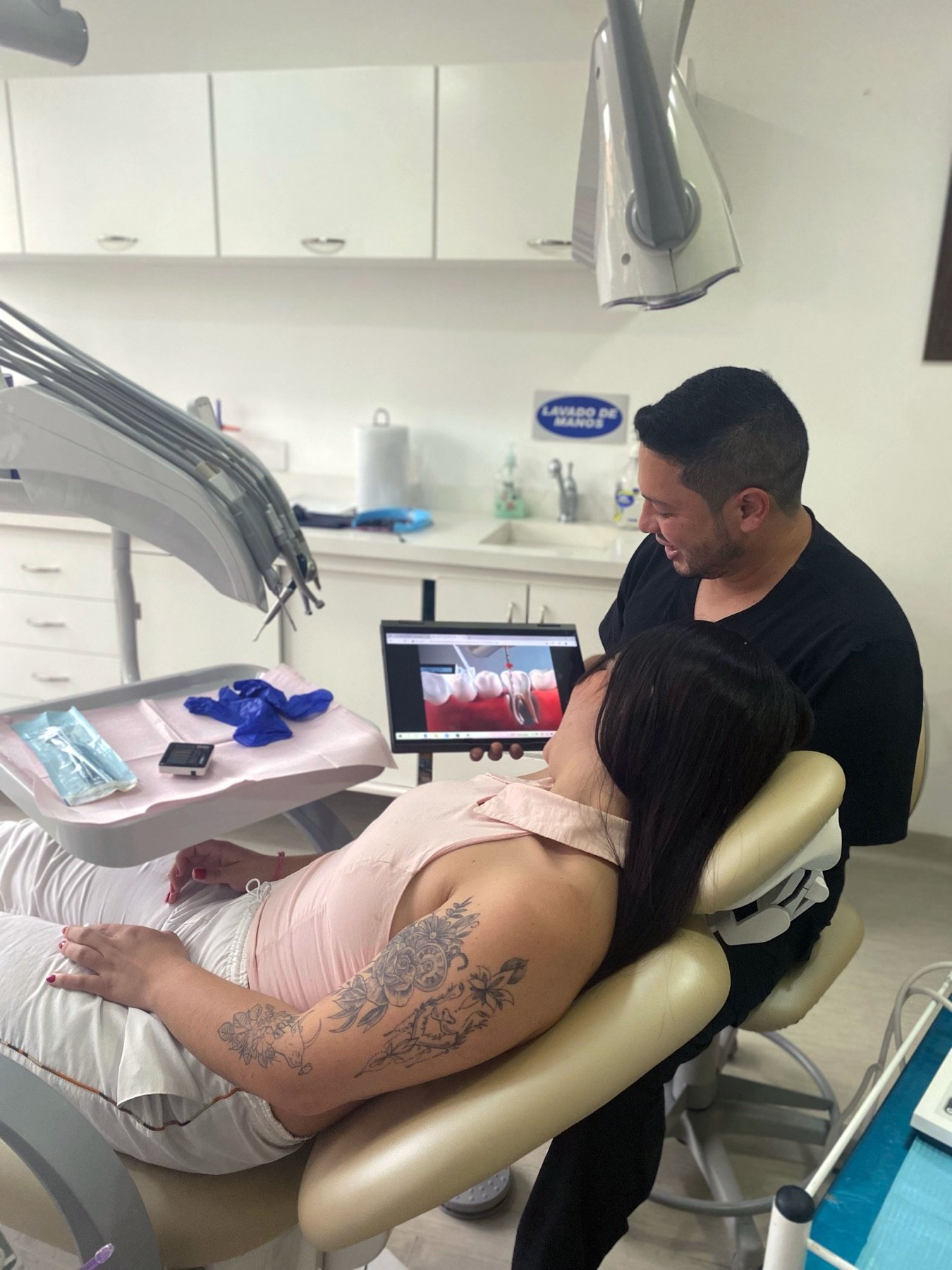
In chargeDiego Sánchez · Endodontics
Appointments
1 to 2 appointments
Anesthesia
Local
Afterwards
A crown in most cases
Endodontics treats the root canal when the nerve or dental pulp is compromised by deep decay, infection or trauma. The goal is to keep your original tooth instead of going straight to an extraction.
The most common symptom that leads to this treatment is persistent pain or intense sensitivity to cold or heat that doesn’t go away. It’s a sign that the nerve is affected, not just the enamel. The sooner it’s treated, the more predictable the result.
What it includes
- Diagnosis with an X-ray to confirm the nerve is compromised.
- Local anesthesia and access to the canal.
- Cleaning and disinfection of the root canal.
- Sealing the canal and restoring the crown of the tooth.
When does it make sense?
Throbbing pain, lingering sensitivity to cold or heat, or a tooth that darkens for no clear reason are typical signs that the nerve may be compromised. The longer you wait to come in, the higher the risk that extraction ends up being the only option.
“The goal is always to keep your tooth, not replace it.”
How do you know if you need a root canal?
Throbbing pain
Pain that pulses, especially noticeable when lying down or at night.
Lingering sensitivity to cold or heat
The discomfort lasts long after the trigger is gone, not just for a moment.
A tooth that turns darker
A color change in a single tooth, with no recent injury to explain it.
Treatment options
Standard root canal
A first-time root canal, when the nerve is compromised by deep decay, infection or trauma.
Root canal retreatment
When a previously treated canal becomes infected again or didn't heal properly and needs to be redone.
Frequently asked questions
Does a root canal hurt?
With today's local anesthesia, the procedure itself shouldn't hurt. The pain that brings you in is usually worse than the treatment.
How many appointments are needed?
Most cases are completed in 1 to 2 appointments, depending on how complex the root is.
What happens if I don't get the treatment?
Without treatment, the infection can spread and the tooth is usually lost.
Will I need a crown afterwards?
In most cases yes, especially for back teeth, to protect the treated tooth.
Other services you may be interested in

Teeth whitening
Lightens your teeth and removes built-up stains and discoloration without touching the tooth's structure.
See details
Smile design
Veneers, contouring and whitening combined for a more balanced, natural-looking smile.
See details
Dental prosthetics
Restores teeth or structures lost to decay, gum disease or trauma.
See detailsReady to book your endodontics?
Payment plans available, plus special prices for Coomeva and Protección members.